

10 Questions To Ask When Choosing a Heating System Design
Choosing a heating system design is one of the most important decisions a property owner can make when building, renovating, or upgrading a space. The right design can support comfort, energy efficiency, indoor air quality, and long-term performance. The wrong design can lead to uneven temperatures, high utility bills, noisy operation, and frequent service needs.
A heating system should not be selected based on equipment alone. The design behind the system matters just as much as the unit itself. A proper plan considers the size of the property, insulation, layout, windows, climate, comfort preferences, fuel source, ventilation, and future maintenance needs. When all of these details are reviewed together, the system is more likely to perform the way the property owner expects.
For a heating system business, helping customers understand the design process can make the project feel more approachable. Many customers know they need heat, but they may not know what questions to ask before making a decision. These questions can help guide the conversation and create a better path toward a heating system design that fits the property, budget, and comfort goals.
1. What Type of Heating System Is Best for This Space?
There are many types of heating systems available, and each one has different benefits. Common options may include furnaces, boilers, heat pumps, ductless mini-splits, radiant heating systems, geothermal systems, and hybrid systems. The right choice depends on the property, climate, budget, and customer goals.
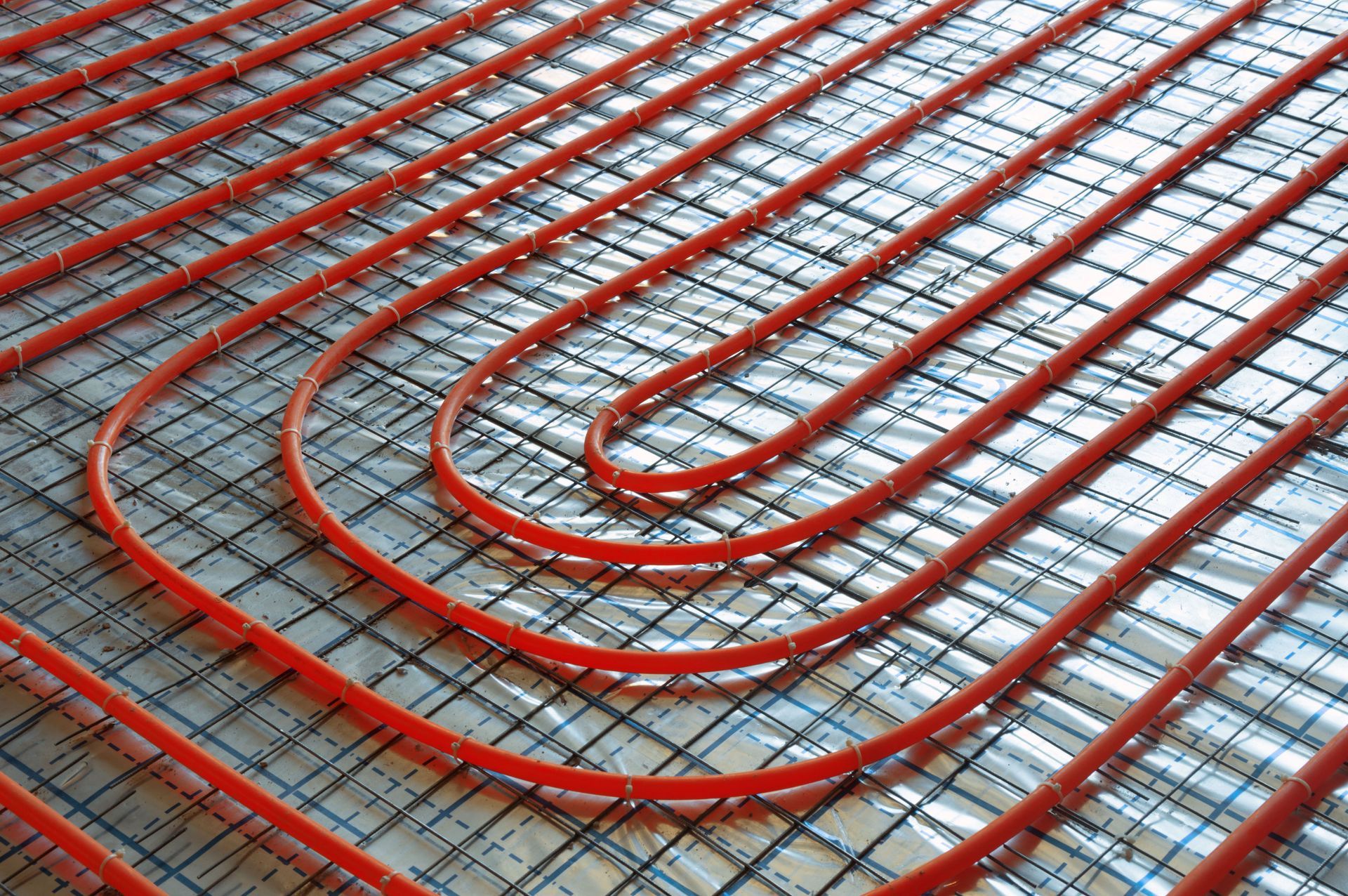
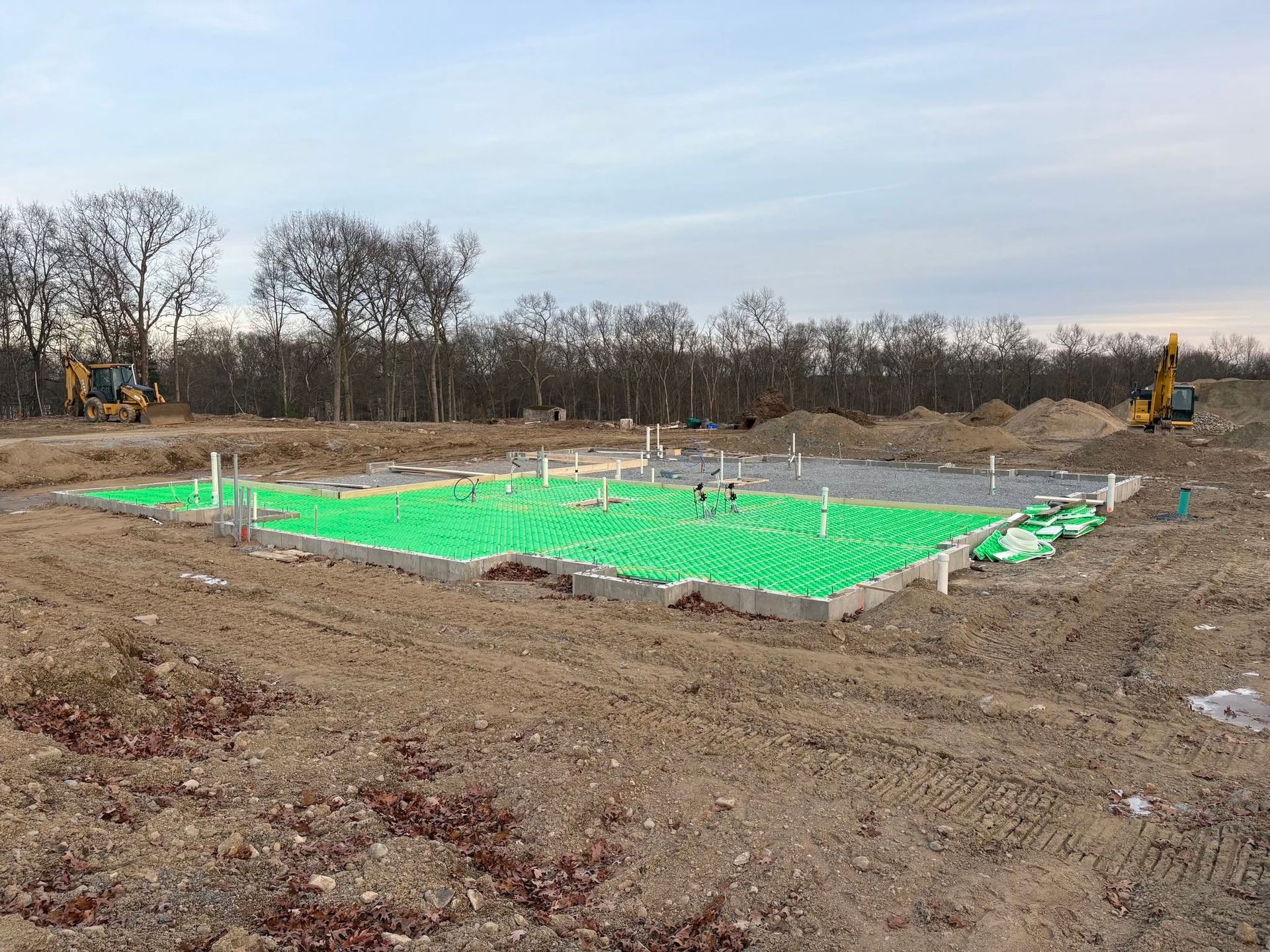
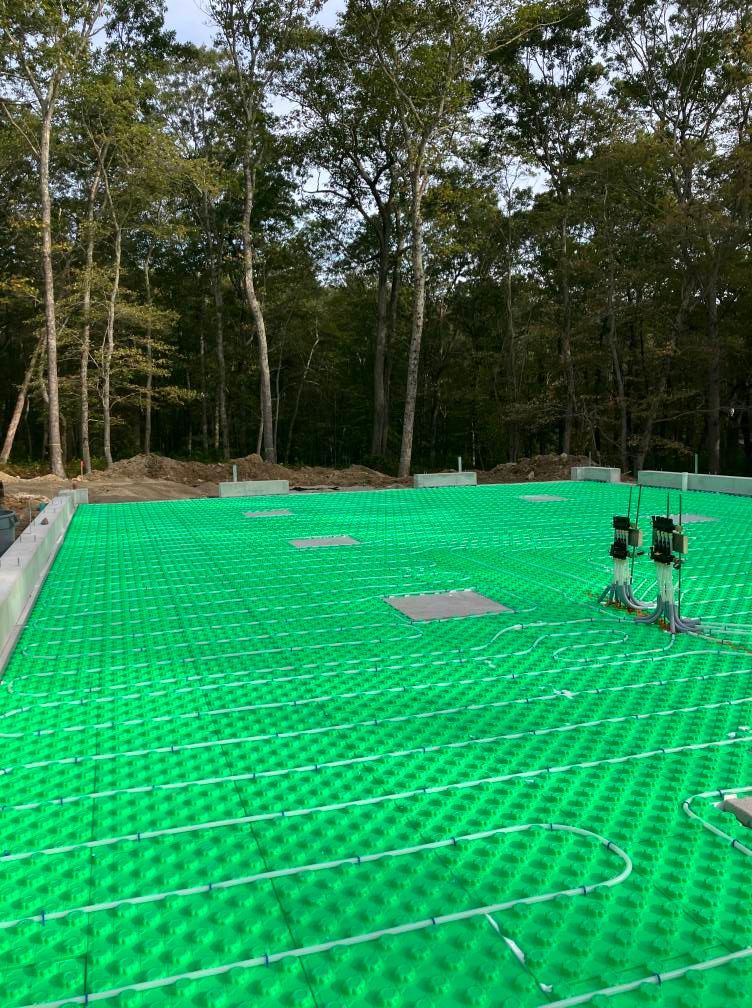
A furnace may be a practical option for a property that already has ductwork. A boiler may be preferred in a property with hydronic heating. A heat pump may appeal to customers who want heating and cooling from one system. Radiant heating may be a strong choice for certain floors, additions, or high-comfort spaces.
Customers should ask why a certain type of system is being recommended. A heating system business should be able to explain how that option fits the property and what tradeoffs come with it. According to AP News, geothermal heating systems are designed to last more than 50 years for the underground parts, with the above-ground components expected to last 25 years or more. Details like system lifespan can help customers compare long-term value, not just the initial installation cost.
2. How Energy Efficient Will the System Be?
Energy efficiency is often one of the biggest concerns for property owners. A heating system design can affect how much energy the system uses each month. Equipment efficiency matters, but design details also play an important role.
For example, properly sized equipment, sealed ducts, correct airflow, smart controls, good insulation, and zoning can all affect energy use. A high-efficiency unit may not deliver the expected savings if the design does not support proper performance.
Customers should ask about efficiency ratings, expected energy use, and ways to improve system performance. They should also ask whether upgrades such as programmable thermostats, smart thermostats, zoning, duct sealing, or improved insulation could support better results. A strong design balances efficiency with comfort and budget.
3. Will the System Provide Even Heating?
Uneven heating is one of the most common complaints property owners have. Some rooms may feel too warm, while others stay cold. These problems can happen when the heating system design does not fully match the property.
Uneven temperatures may be caused by poor airflow, undersized ductwork, weak insulation, blocked vents, old equipment, large windows, or a lack of zoning. In some cases, the heating source may not be positioned or distributed effectively.
Before choosing a design, customers should ask how the system will address comfort in every room. The heating business may recommend airflow adjustments, ductwork changes, multiple thermostats, dampers, radiant heat, or ductless units for certain areas. Even heating should be part of the design conversation from the beginning.
4. How Will the Heating System Affect Indoor Air Quality?
A heating system does more than warm a property. It can also affect indoor air quality. Depending on the type of system, it may influence humidity, airflow, filtration, dust movement, and ventilation.
Forced-air systems can move dust and allergens through ductwork if filtration and maintenance are not handled properly. Dry indoor air can become a concern during heating season. Poor ventilation can also make indoor air feel stale or uncomfortable.
Customers should ask how the heating system design will support indoor air quality. Options may include better filters, humidifiers, air purifiers, ventilation systems, duct cleaning recommendations, or improved airflow design. A thoughtful plan looks beyond temperature and considers the overall indoor environment.
5. Why Does the Design Process Matter?
A heating system is not just a piece of equipment. It is part of a larger design that affects comfort, efficiency, safety, and usability. When the design process is rushed, customers may end up with a system that does not fully support their property’s needs.
A strong design process starts with questions. Heating professionals should ask about the customer’s comfort concerns, daily routines, budget, room usage, past heating issues, and future plans. These conversations help shape a system that feels more personalized and practical.
For example, a customer planning to finish a basement later may need a design that allows for future expansion. A customer with allergy concerns may want better filtration. A customer who works from home may care about quiet operation and consistent temperature in a home office. These details matter when choosing a heating system design.
6. How Can a Heating System Business Help?
Working with a heating system business can help customers make more informed decisions. A professional can evaluate the property, explain system options, recommend design improvements, and help customers understand what each choice may mean.
This support is especially helpful when customers are comparing multiple systems. It can be difficult to know whether a furnace, boiler, heat pump, or radiant system is the right option without a detailed review. A heating professional can explain the benefits and limitations of each choice in plain language.
A heating system business can also look for issues that may affect performance. This may include ductwork problems, poor insulation, ventilation concerns, outdated equipment, or thermostat placement issues. Addressing these items during the design phase can help the system perform better after installation.
7. What Should Customers Expect During a Heating System Design Consultation?
During a heating system design consultation, customers should expect a detailed conversation about the property and their comfort needs. The heating professional may ask about current heating problems, utility bills, room-by-room comfort, past repairs, equipment age, and any planned renovations.
The consultation may also include measurements, visual inspections, equipment review, ductwork evaluation, and discussion of system options. The goal is to gather the information needed to create a heating plan that fits the property.
Customers should feel comfortable asking questions throughout the process. They should ask why certain recommendations are being made, what alternatives are available, and how the system will support their goals. A good consultation should leave the customer with more clarity, not more confusion.
8. What Common Mistakes Should Customers Avoid?
One common mistake is choosing the lowest-priced option without considering long-term performance. While budget matters, a heating system design that does not fit the property can create higher energy costs, comfort problems, and more service calls over time.
Another mistake is replacing old equipment with the same type or size without reviewing whether the property’s needs have changed. Renovations, insulation upgrades, additions, new windows, and lifestyle changes can all affect heating needs.
Customers should also avoid ignoring ductwork, airflow, and controls. Even strong heating equipment can perform poorly if the supporting design is not right. Looking at the full system can help create better results.
Choosing a heating system design is a major decision, but the right questions can make the process much easier. Customers should ask about system type, efficiency, comfort, indoor air quality, design planning, professional support, consultations, common mistakes, recommendations, and long-term comfort before making a final choice. A heating system business can help evaluate these details and recommend a design that fits the property. With a thoughtful approach, customers can choose a heating system that supports comfort, efficiency, and dependable performance through the colder months. Call Advanced Comfort Systems today to learn more.

Share On: