

How a Local Geothermal System Can Support Year-Round Home Comfort
Maintaining comfortable indoor temperatures throughout the year can require a significant amount of household energy. Homeowners looking for alternatives to conventional heating and cooling equipment may consider geothermal technology. By using the relatively consistent temperatures beneath the Earth's surface, these systems provide an energy-efficient approach to managing indoor comfort.
Geothermal systems use electrically powered heat pumps and underground piping to transfer heat between a property and the ground. This process supports heating during colder months and cooling during warmer weather. Understanding how the technology works, what installation involves, and which factors affect performance can help property owners determine whether a geothermal solution fits their needs.
Understanding Geothermal Heating and Cooling
Geothermal energy comes from the heat stored beneath the Earth's surface. Unlike outdoor air temperatures, underground temperatures remain relatively stable throughout seasonal changes. Geothermal heat pumps use this temperature difference to transfer heat between the ground and a building, providing an alternative to conventional heating and cooling methods.
There are two primary geothermal system configurations. Closed-loop systems circulate a heat transfer fluid through underground piping, while open-loop systems use groundwater from an appropriate well or water source. The right configuration depends on property conditions, available space, soil composition, and other installation considerations.
During winter, a geothermal heat pump transfers heat from the ground into the building. During warmer months, the process reverses, moving excess indoor heat into the ground. This exchange allows a local geothermal system to provide heating and cooling without relying entirely on outdoor air temperatures.
Geothermal equipment can also support domestic hot water production. This additional capability makes the technology worth considering for homeowners interested in combining several household comfort needs into one system. An evaluation of the property's requirements can help determine which configuration and equipment are appropriate.
Evaluating Energy Efficiency and Operating Costs
Energy consumption is an important consideration when selecting a new heating system. According to the Department of Energy, home heating represents approximately 29% of a household's overall utility usage. Because heating can account for a considerable portion of residential energy consumption, selecting an efficient system can influence ongoing household expenses.
Geothermal technology transfers existing thermal energy rather than generating all heating and cooling through conventional fuel consumption. Although the heat pump requires electricity to operate, using underground temperatures can reduce the amount of energy needed for temperature regulation. Actual savings depend on the equipment, property conditions, energy rates, and existing heating system.
Initial installation expenses are another factor to consider. Geothermal projects can require underground piping, specialized equipment, and property preparation, which can affect the overall investment. Homeowners should request a detailed estimate that accounts for the system design, installation requirements, and selected equipment.
Planning Geothermal System Installation
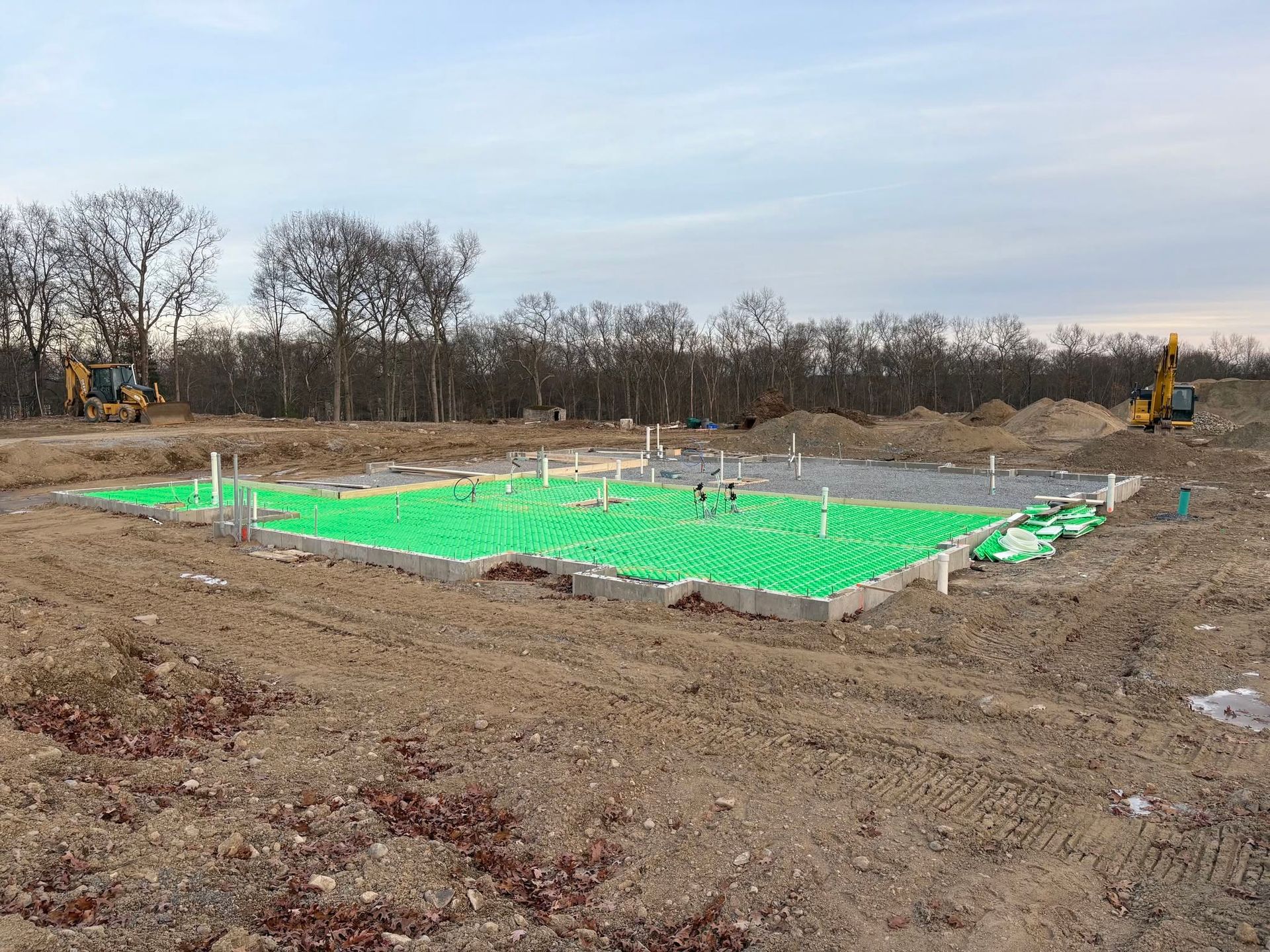
Property evaluations are an important part of preparing for geothermal installation. Available land, soil conditions, rock composition, and the proposed location of underground piping can all affect system design. These details help determine whether horizontal, vertical, or water-based loop configurations are appropriate.
Horizontal loops generally require sufficient available land for underground piping, while vertical configurations can accommodate properties with more limited surface space. Open-loop systems require access to a suitable water source and consideration of applicable requirements. A professional assessment helps identify the practical options for each property.
Installing a local geothermal system also involves evaluating the building's heating and cooling requirements. Factors such as square footage, insulation, existing equipment, and indoor comfort preferences influence the system's design. Reviewing these details before installation helps establish equipment requirements and project expectations.
Property owners should also discuss installation timelines, permits, and applicable local regulations with their contractor. The amount of preparation and installation work varies depending on the property's conditions and selected system. Understanding these requirements ahead of time can help reduce unexpected delays.
Maintaining Consistent Indoor Comfort
One advantage of geothermal technology is its ability to support indoor comfort throughout changing seasons. During winter, the system transfers underground heat into the building, helping maintain comfortable indoor temperatures. This process provides an alternative to heating methods that depend more directly on outdoor air conditions.
When warmer weather arrives, geothermal equipment can reverse its operation to remove excess heat from indoor spaces. This allows the same system to support cooling without requiring a separate conventional air conditioning unit. A properly designed local geothermal system can therefore address seasonal heating and cooling requirements.
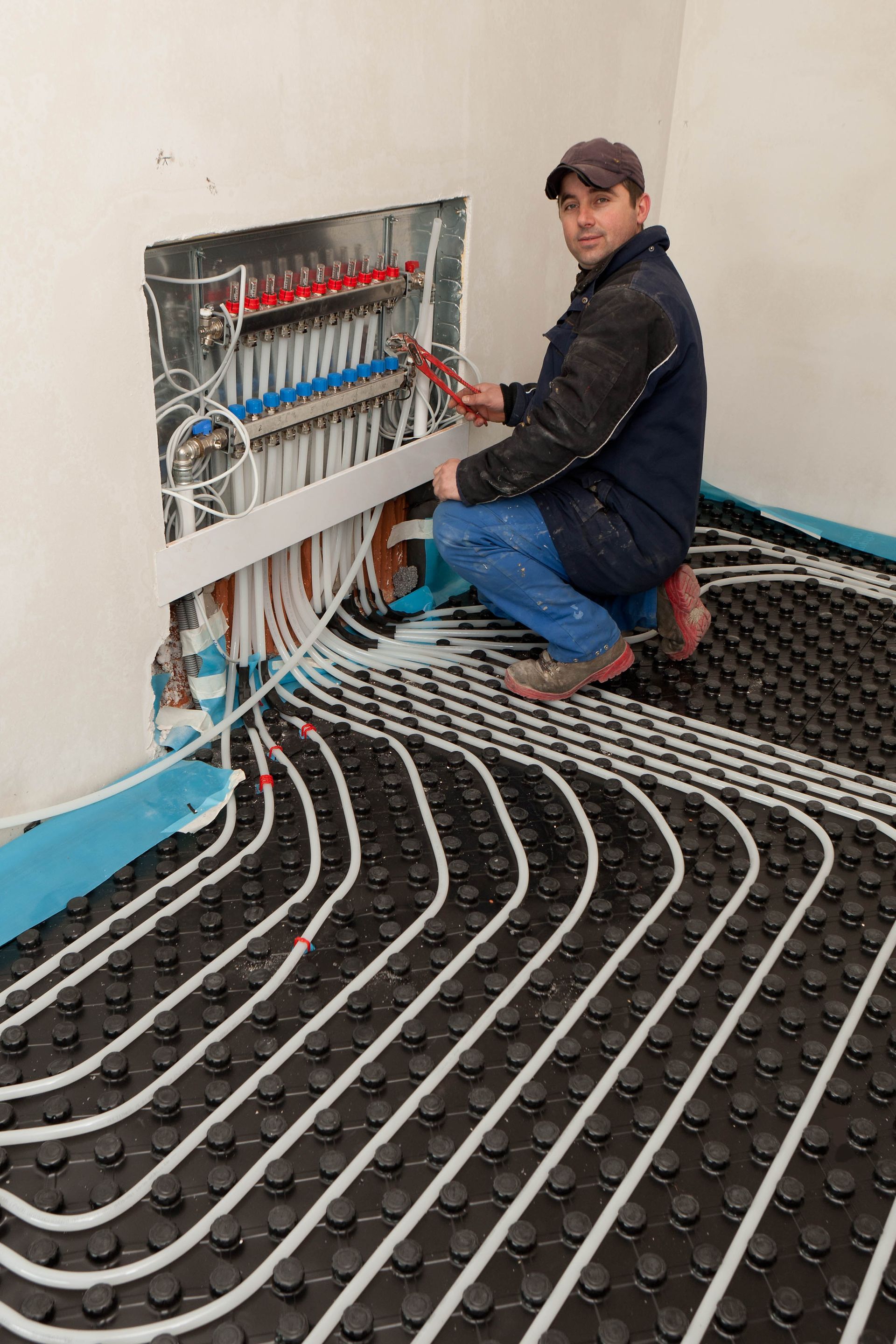
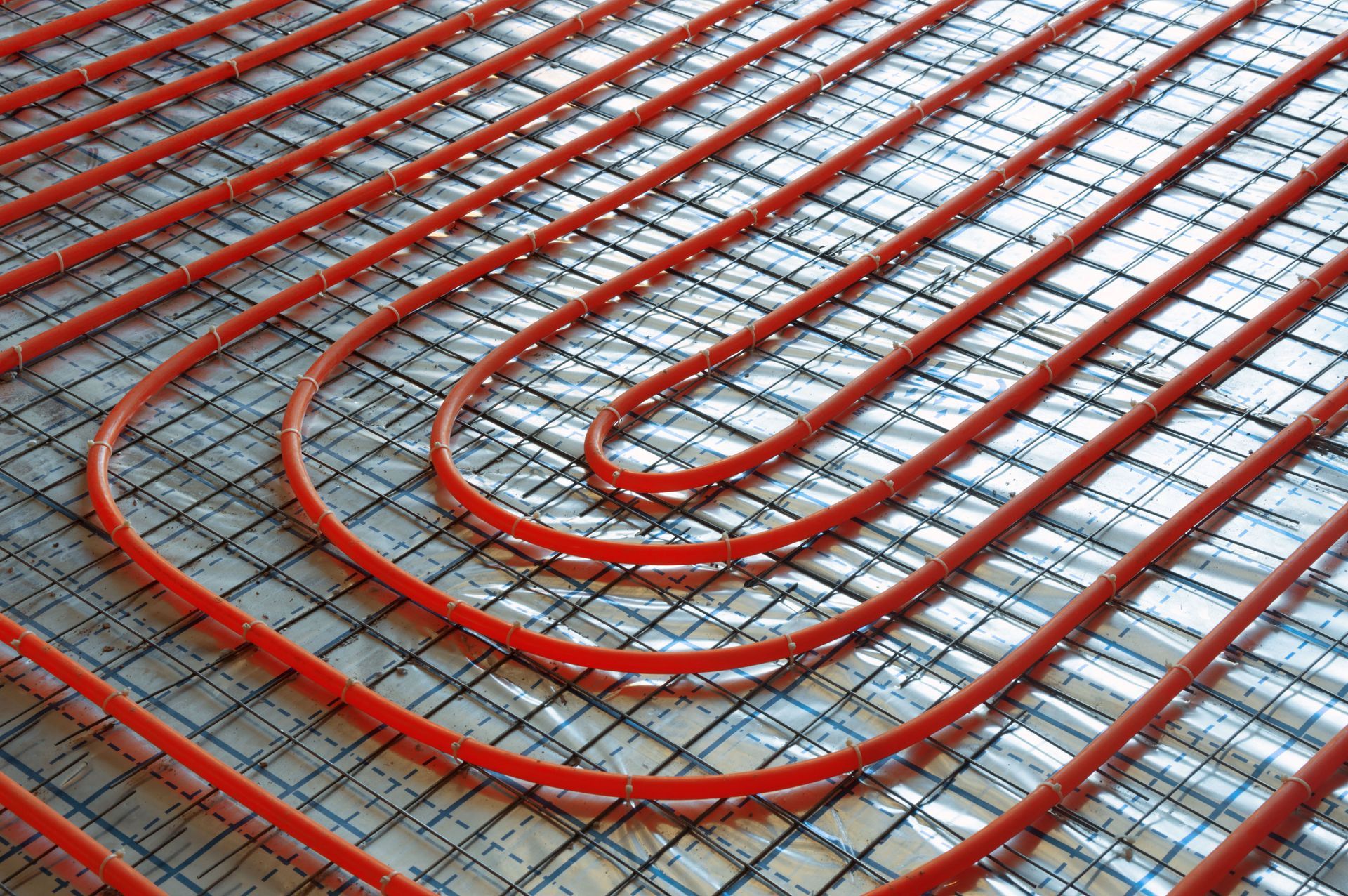
Geothermal technology can also work with different indoor distribution methods, depending on the building's design. Forced-air equipment and hydronic radiant heating are examples of approaches that can be incorporated into suitable systems. Selecting the appropriate configuration requires evaluating the property's existing infrastructure and comfort goals.
Proper system design is particularly important when addressing temperature differences between rooms or areas of a building. Equipment capacity, distribution methods, and building characteristics all influence how heat moves throughout the space. An individualized evaluation helps determine which design considerations should be addressed before installation.
Exploring System Design and Technology
Geothermal systems rely on several components working together to transfer heat efficiently. These include the heat pump, underground piping, circulation equipment, and indoor distribution components. Each part must be selected and configured according to the property's requirements.
Heat pump technology continues to develop, with equipment designs intended to improve operating performance and system control. Selecting appropriate equipment involves reviewing manufacturer specifications, heating and cooling capacity, and compatibility with the planned installation. These considerations can help property owners understand the available options.
System controls also influence everyday operation. Programmable thermostats allow homeowners to manage indoor temperature settings according to household schedules and comfort preferences. Understanding the available controls helps residents operate their equipment appropriately throughout the year.
A local geothermal system may also be considered alongside other energy-conscious home improvements. Solar thermal technology, for example, can provide another approach to supporting household heating and hot water requirements. Property owners interested in combining technologies should discuss compatibility and overall system design with their contractor.
Maintaining Long-Term System Performance
Regular maintenance helps keep geothermal equipment operating as expected. Although underground loop systems are designed for long-term use, the indoor heat pump and associated components still require periodic attention. Professional inspections can help identify developing concerns before they lead to larger equipment problems.
Maintenance requirements vary according to the equipment and installation design. Inspections may include evaluating heat pump operation, circulation components, controls, and accessible system connections. Following manufacturer recommendations and maintaining appropriate service records can also support long-term equipment care.
Geothermal technology offers an alternative approach to residential and commercial heating and cooling. Its use of underground temperatures supports seasonal temperature regulation while reducing dependence on conventional heating fuels. However, property conditions, installation requirements, and equipment selection all influence whether this technology is an appropriate investment.
Working with an experienced contractor can help simplify the planning process. A professional evaluation provides an opportunity to review available land, soil conditions, building requirements, and heating goals before selecting a system. A local geothermal system can then be designed to address the property's specific heating and cooling needs. Understanding these factors helps property owners make informed decisions about installation and long-term operation.
Advanced Comfort Systems provides geothermal system design, installation, maintenance, and repair services for residential and commercial properties throughout Rhode Island, northeastern CT, and eastern and southern MA. Contact Advanced Comfort Systems today to schedule a free consultation and discuss whether a geothermal solution is right for your property.




Share On: